Agentic AI in Healthcare
Automate Scheduling, Claims & Patient Workflows
HIPAA & SOC 2 certified. Deployed in under 4 weeks. Used by physician groups, hospitals, and dental practices across the US.
♦ Built for healthcare teams : HIPAA Compliant ♦ SOC 2 Certified : 200+ Hours Saved Daily ♦ Deployed in <4 Weeks ♦ FHIR + EHR Integrated
Stop Logging Into Payer Portals Manually
Checking claim status shouldn’t take hours. Our Healthcare AI agent handles it all. Assign the task once. The agent checks status across every payer and reports back automatically.
- Works even when payers have no API, logs into portals for you
- Checks hundreds of claims in a single batch
- Flags denied or stalled claims for immediate follow-up
- Turns hours of billing work into a background process
Not Every Healthcare Provider Wants to Rip and Replace
That’s why we deliver modular Agentic AI Automation. Start with one high-impact area and scale as needed, all while staying compliant and efficient.
Denial Management & Appeals Automation AI Agent
Recover 15–25% of denied claims faster with AI that analyzes denial trends and auto-generates appeal letters. Predictive analytics and generative AI streamline appeals through automated workflows.
Claims Processing & Status AI Agent
Improve claim throughput by automating intake, verification, submission, and tracking. Powered by RPA, AI validation, and EDI integration to reduce denials and increase reimbursements.
Prior Authorization AI Agent
Cut prior auth delays with automated request submissions and tracking via FHIR APIs. RPA and AI chatbots reduce manual work and turnaround time from days to minutes.
Patient Scheduling AI Agent
Save 15% time and streamline your medical practice with our healthcare RPA solution. It automates appointment scheduling, patient intake, branded confirmations, and PHI storage, plus sends reminders, enables easy rescheduling, and marks check-ins.
Patient Letter Automation
Save up to 15% on admin time with our agentic Patient Letter Automation. Healthcare RPA bots pull data from EHRs, auto-fill letter and envelope templates, and handle printing, streamlining the entire process.
Patient Appointment Reminders
Missed appointments can reach up to 52%. Our AI solution helps reduce this by creating patient reminder profiles with one-time or recurring alerts, set for days, weeks, or months in advance, with multiple reminders before the scheduled visit.
Lead Activation AI Agent
An Agentic AI engagement assistant that sends preventive care reminders for checkups, vaccines, and screenings, booking patients directly into your schedule to reduce no-shows and boost patient volume.
Patient Info Collection AI Agent
An intelligent pre-visit assistant that securely collects medical history, allergies, medications, and insurance details before appointments. It updates your EHR automatically freeing staff time for better patient experiences and faster check-ins.
Off-Hours AI Agent
It handles patient calls after clinic hours, weekends, and holidays. It books, cancels, and reschedules appointments, triages messages, and filters urgent vs. routine needs, reducing morning call overload and improving patient access 24/7.
Patient Eligibility and Verification AI Agent
Accelerate verifications and reduce denials with real-time eligibility checks against insurance databases before appointments. Integrated with EHR/EMR systems and payer APIs, it automates verification, minimizes manual errors, and improves billing efficiency.
Streamlining Payment Posting with 835 Auto Post
Save time and boost accuracy by automating 835 remittance processing. Our solution uses secure, compliant workflows with RPA and AI-driven validation to reduce errors, eliminate manual entry, and accelerate payment reconciliation.
EOB payment posting
Automate EOB payment posting with RPA and AI-based OCR for accurate data extraction and faster reconciliation. Eliminates manual errors and speeds up processing to optimize financial operations.
"Build or Buy" + Why Sunflower Lab
Build if you have in-house AI teams.
Buy from Sunflower Lab if speed is priority, gain cost-efficiency with HIPAA-ready AI, deployed in under 4 weeks.
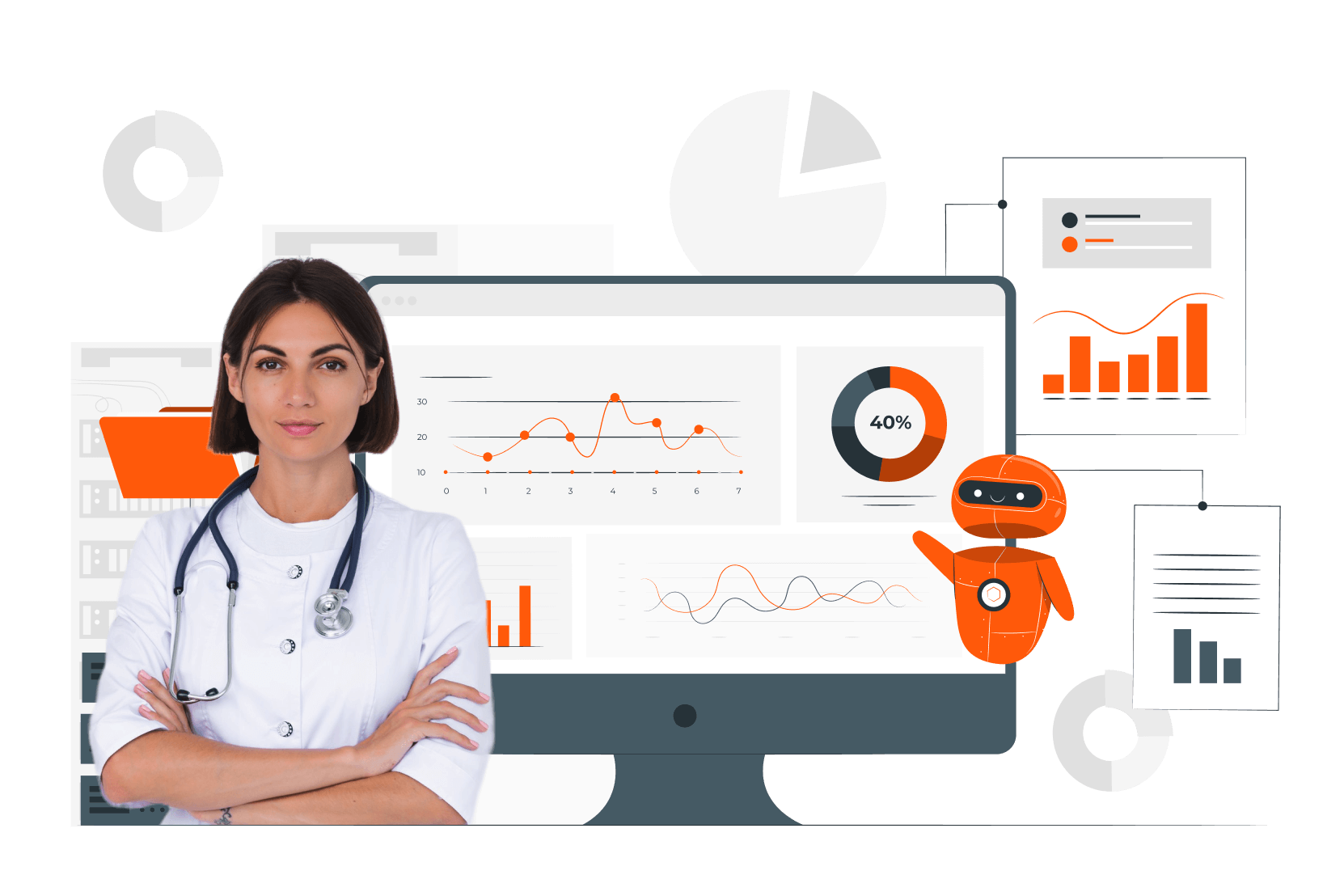

Automation that saves over 200 hours daily across RCM operations
Revenue Cycle Management Automation using Power Automate and bots, integrating platforms like ZinniaX, Revedy, UHC, Waystar, HubSpot, and Tennr. Enabled real-time bot tracking and case metrics via Power BI, while eliminating manual data duplication across systems.
Sectors/Sub Vertical
- Physician group and Speciality Care
- Hospital and Home Health
- Dental Service and Group
- Hospices
- Surgery Centre
- Urgent Care Centre
Benefits of Agentic AI in Healthcare Workflows

Increased Revenue
& Reduced Costs

Eliminate risk of
Medication errors by 70%
HIPAA & SOC 2
Compliance

Quick Appointment
Scheduling

Faster Implementation

Cut weeks off your
development cycle
From Patient Care to Healthcare Administration,
Automate Each of Your Healthcare Workflow Today
FAQs
Our AI solutions are designed with scalability in mind. They can be adapted to handle increasing complexity as your healthcare processes evolve. Additionally, our team stays up-to-date on evolving regulations and compliance standards, ensuring your solutions remain HIPAA compliant.
We understand that every business has unique needs. We offer customization options to tailor AI solutions or develop custom solutions from scratch to perfectly match your requirements.
The level of technical expertise needed for deployment depends on the specific solution. Many AI and automation solutions can be configured with minimal technical knowledge. However, some may require assistance from your IT team for integration with existing systems or for customization purposes. We offer implementation support plans to guide you through the process, regardless of your technical skillset.
From Ideation To Support, We Partner With You All The Way
Contact our team of experts today!